Mind of a chef: Insights into challenges of today's restaurant business
Originally filed at roneade.com
Restaurateurs were being squeezed from every side as food, labour, rent and utility costs rose. One chef-owner set out, in detail, what the arithmetic actually looked like.
Archive note. This page presents work first published on roneade.com between 2014 and 2016. Ron Eade died in August 2015; nothing on this site is new writing in his voice, and the reporting below is presented as a dated record rather than as current coverage. Restaurants, prices and staffing described here reflect the moment the piece was filed.
The setup
This is the longest interview in the archive, and the one that comes closest to explaining the rest of it. Eade's framing was that operators at the higher end of the food chain were feeling squeezed not only by rising costs but by customers who, in uncertain times, were circling the wagons and looking harder for value. He noted the paradox that the same people who do not blink at a daily latte will do a double-take the moment a dinner cheque crosses fifty dollars.
He then laid out the numbers he had been carrying around for years: wages typically running at roughly 35 per cent of gross sales, food and beverage costs about the same, and occupancy — rent, hydro, gas, heat — leaving a successful operator with a margin of something like five per cent. Worse off, he added, is the restaurateur paying a fixed rent in good times and bad; better off is the one whose rent is tied to a percentage of sales.
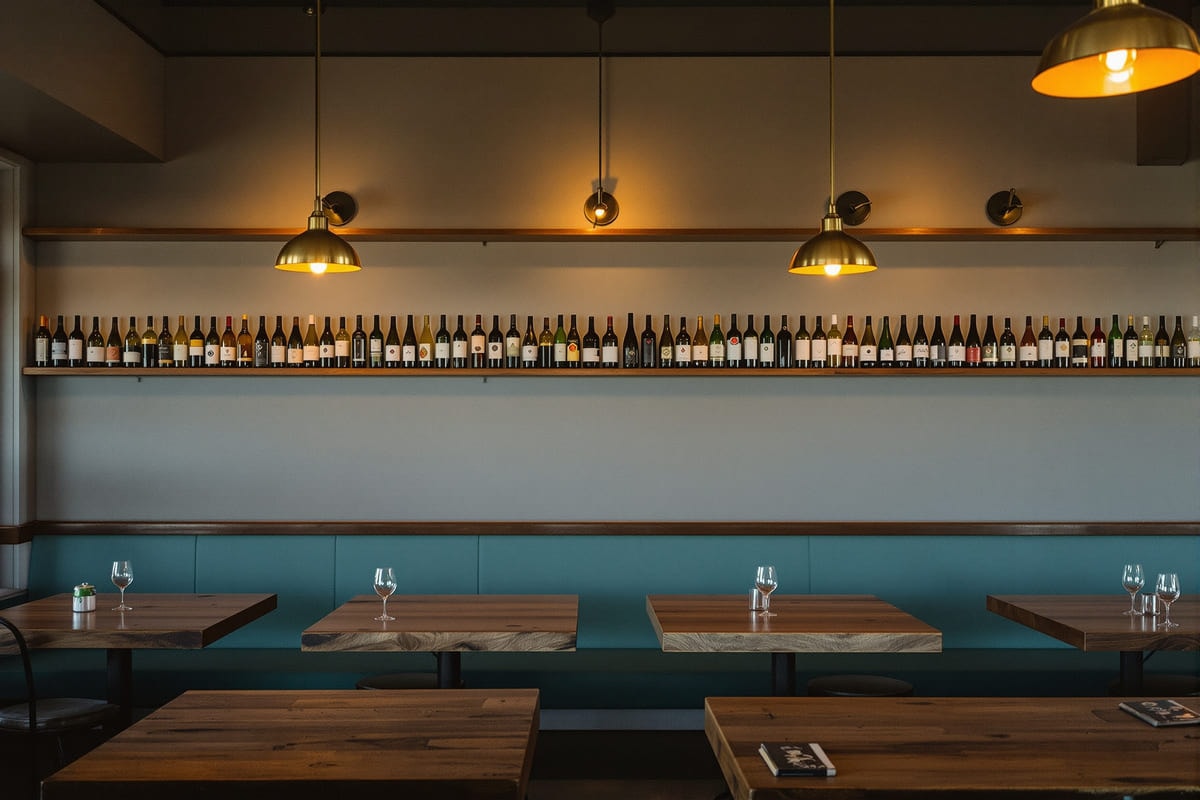
His interviewees were Norm Aitken and Peter Robblee, chefs and co-owners of Juniper Kitchen & Wine Bar in Westboro, which had opened in Wellington West in 1996 and moved to Westboro in 2006. The conversation was published as an edited transcript.
Seats, and the magic number
Asked about the two high-profile closures of the previous month, Aitken said events had carried his own business through the winter. He then went straight to seat count. "Eighty or 85 seats is the magic number," he said. "It's a number you can work with efficiently. Anything more means extra staff, which means more costs." Juniper at the time had about 120 seats and room for 200 standing.
The problem with a smaller room, he explained, is turnover: in fine dining you cannot flip tables the way a quick-service restaurant can, so with rent to pay and margins as tight as they are, forty or fifty seats is a hard push. Eade added a local observation — that Ottawa reservations tend to cluster at seven o'clock for tables of two, making the second seating that is normal in Montreal and Toronto very difficult to achieve. "That doesn't help," Aitken agreed.
Value, and the price ceiling
Aitken's read on the market was that perception of value had shifted. "When you go to dinner and you see main courses sitting at $40, plus a couple of appetizers, a couple of drinks, then you're pushing $150 a head and a table for two isn't going to walk away for much under $300. That's a really hard sell. We're in a government town here, with cutbacks and recession."
He expected a shakeout: "The market has been saturated with restaurants and in the next few years I think you're going to see a big shakedown. For those people who can't do it, who can't adapt, who can't sustain the quality or maintain the perception of value for money, you're gone because people are going to move on."
Asked for the price point an operator should aim at, he gave one: appetizers between $8 and $14 or $15, no more; mains between $15 and no more than $28. "I can't sustain this business having only people coming for birthdays and anniversaries, not a hope in hell. We'd have been bankrupt long ago, plain and simple. I need to have turnover."
Margins, and what eats them
On profit, Aitken put himself at around eight per cent of gross sales rather than five, and said even that left little room. "If I have a cook on the weekend who serves too-large portion sizes then I'm screwed for the weekend. Or if I have servers breaking glassware, it's all part of the bottom line. Those are the costs that really bite you."
He was pointed about category. "I don't even want to be classified as fine dining because that's not what I'm shooting for — fine dining to me right now is white-glove service; you don't get that anywhere any more. Me and my partner sat down and told ourselves, listen, we cook good food. So let's just cook."
The menu rebuild
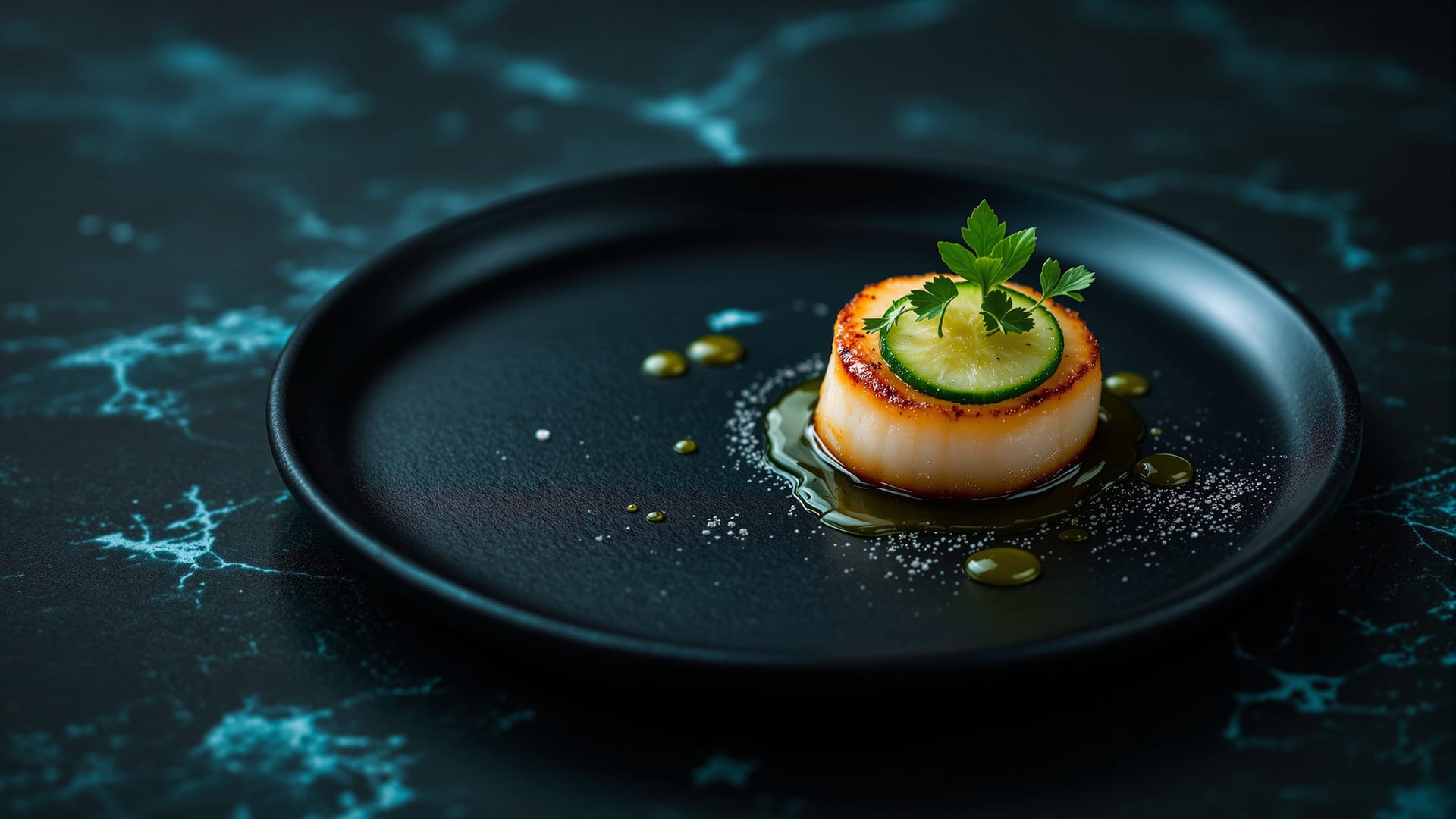
That thinking produced the change at the centre of the piece. The restaurant abolished the starter, appetizer and main-course structure entirely and replaced it with twenty plates running from small to large, twelve of them completely new. Where dishes had previously carried as many as eight or nine components, the new ones carried about three — fewer touches, less labour, faster service.
The commercial result surprised the owners. Sales did not fall. The average dinner cheque went up by about ten dollars.
Aitken also described sourcing as a point of difference, having opened a line to a Newfoundland fishing co-operative through a former classmate, giving him access to turbot, crab from named zones on the Grand Banks and Newfoundland shrimp. He said he was avoiding Pacific seafood, citing his own reading about contamination following the 2011 Fukushima nuclear accident, while noting he was no nuclear scientist — a caveat the archive includes rather than tidies away.
Why the piece matters
Read alongside the Domus closure interview and the ZenKitchen seizure, this is the survivor's version of the same story: identical pressures, a different response. Wage costs, hours and the rules governing them are set out by Ontario's provincial agriculture and food ministry and provincial labour regulators rather than by the trade itself, which is part of why operators in the archive talk about occupancy and staffing as fixed facts to be worked around.