Travel Show ups the ante with savoury memories from home and afar (recipes)
Originally filed at roneade.com
The twentieth edition of the travel and vacation show gives gastronomes some pleasant memories to digest.
Archive note. This page presents work first published on roneade.com between 2014 and 2016. Ron Eade died in August 2015; nothing on this site is new writing in his voice, and the reporting below is presented as a dated record rather than as current coverage. Restaurants, prices and staffing described here reflect the moment the piece was filed.
Food as souvenir
People with a taste for adventure at home and abroad, Eade wrote, almost always count their experiences with food and drink among their most vivid memories — right up there with the sights and sounds, however exotic the destination.
The twentieth Ottawa Travel and Vacation Show, which finished on the Sunday at the Ottawa Convention Centre, gave them plenty to work with: nine cooking demonstrations by eight chefs over two days on a culinary stage that Eade himself emceed. He noted the arrangement plainly rather than burying it, which was his habit.
The show typically drew more than 17,000 visitors to some 200 booths, with demonstrations and seminars representing more than fifty countries across Europe, Asia, the Pacific, the Caribbean and the Americas, spread over 6,000 square feet of convention floor. As the organiser put it, food keeps its place at the show because "people want to taste and sample. It's part of the memories you take away when you travel."
Olive oil, and a Greek education
The programme opened with a celebrity television chef and cookbook author, working alongside the proprietor of a specialty oil shop in the Glebe and the Greek ambassador, in an educational session about olive oil.
"While I was born in Greece, I came to Canada before I was a year old," the chef said. "I like to say I was made in Greece, but assembled in Canada."
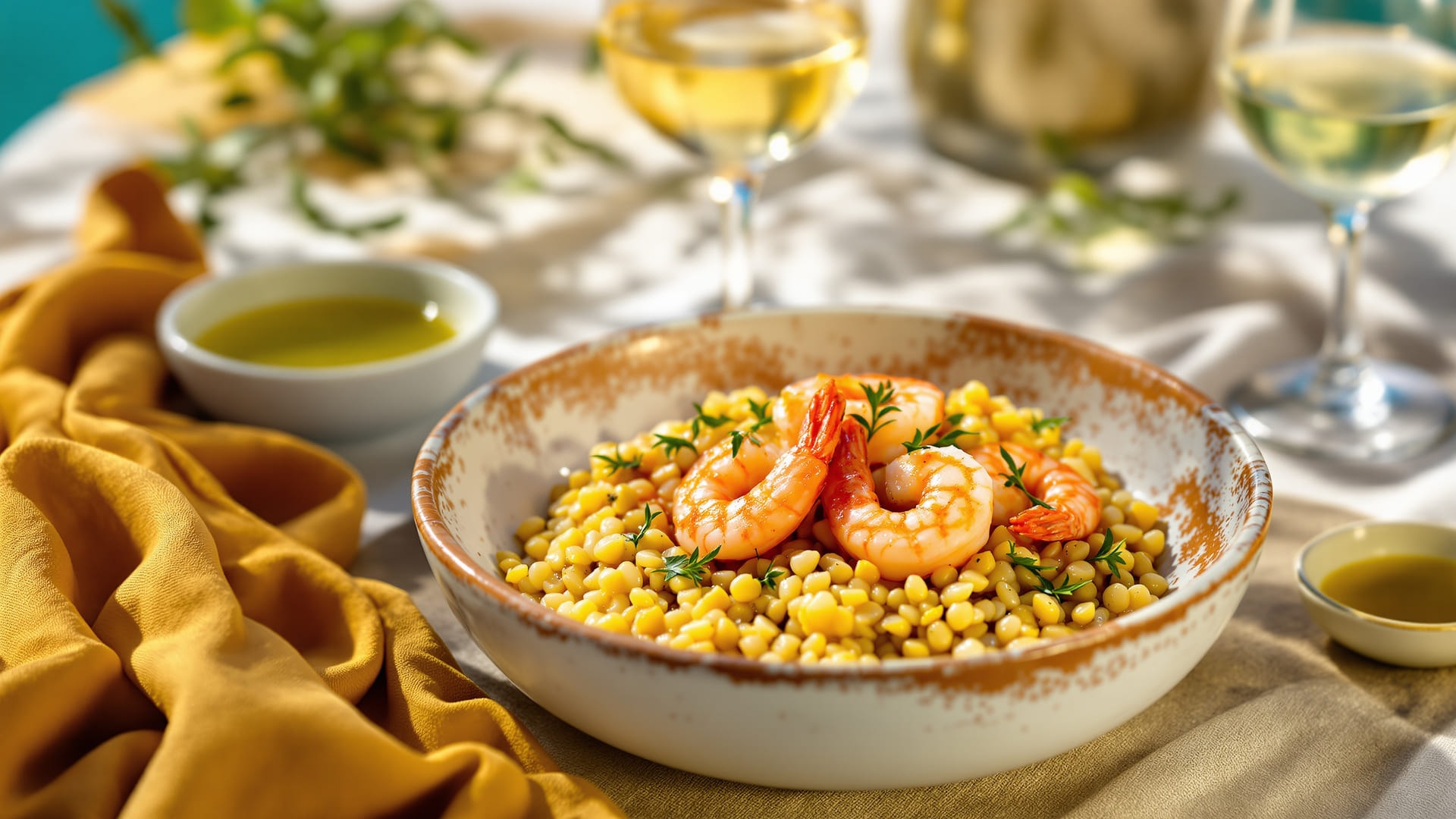
Her contributed recipe was a barley and fennel pilaf with shrimp, assyrtiko wine and Greek saffron — a dish Eade rated a standout, adding that he had had no idea Greece produced premium saffron as well as excellent olive oil.
The Caribbean stage
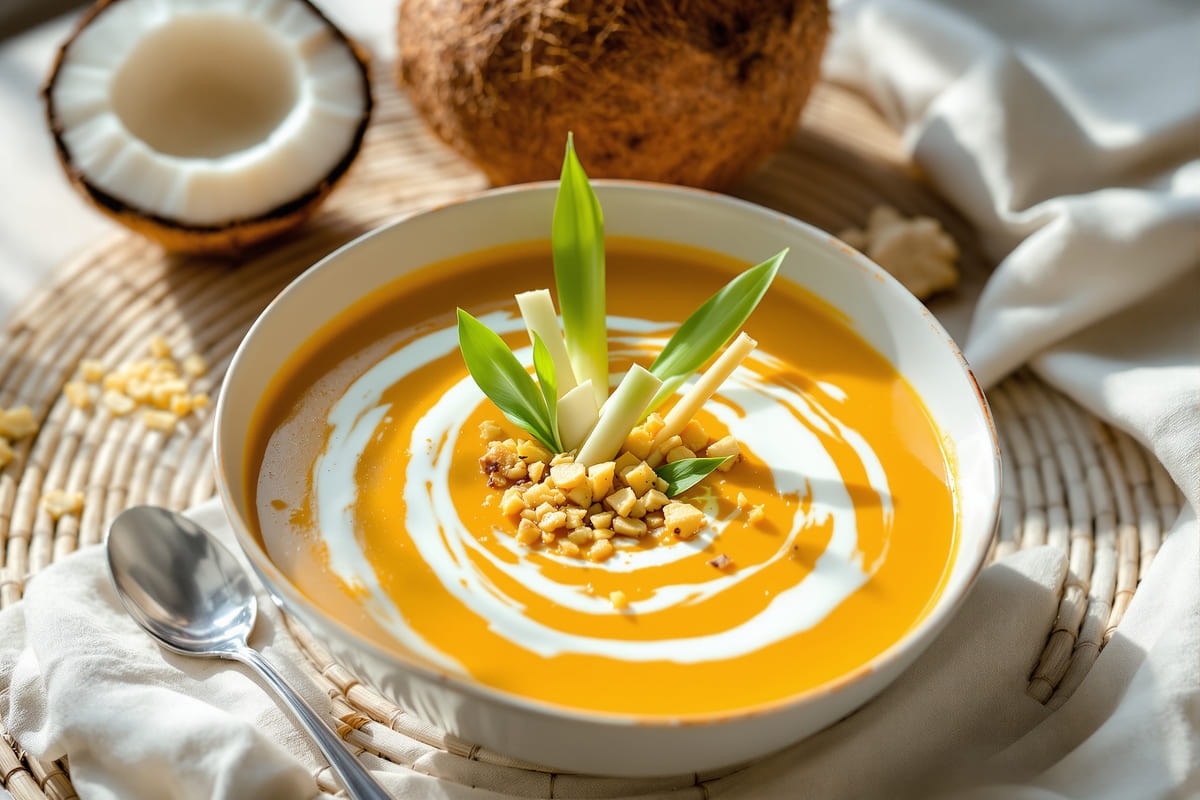
An executive chef with a Caribbean resort group returned for a second year to make the case for Aruba, where the temperature varies only slightly around 30°C year-round and it almost never rains. He demonstrated a simple recipe for shrimp and jalapeño cheddar corn fritters, but the dish that caught Eade's imagination was a pumpkin, coconut, lemongrass and ginger soup, which he flagged for publication.
What was still to come
Eade published this as the first of two instalments and listed what he intended to follow with: a timeless Greek potato and bean salad from a trio of sisters who cook and write together, which he said delivered an almost buttery richness through the use of premium Greek olive oil; a spring pea risotto with shaved pecorino, truffle-infused oil and pea shoots from the executive chef of a National Arts Centre restaurant; and calamari with a grape leaf chimichurri from a food writer, blogger and cookbook author specialising in Greek cooking.
A chef from an Elgin Street restaurant also appeared on the stage that weekend.
The shape of the piece
This is a good example of the archive's most common form: a public event covered not as a listing but as a set of transferable techniques, with every recipe attributed to the cook who gave it. Eade was explicit that he could not share every recipe from the weekend and had selected a handful of standouts, which is why the post reads as a curated set rather than a transcript.
The same approach produced the pork belly and pastry recipes from Niagara five days earlier, and the mole lesson a fortnight before that. For readers following the Canadian professional side of these demonstrations, the Canadian Culinary Federation remains the national body for the chefs involved.
The second instalment Eade promised is not available in complete form, so the recipes he listed for it are named here but not reproduced — this archive does not invent replacements for missing material.