Visions of dolphin fins, whale caviar and lion kebabs on the menu gets tongues wagging
Originally filed at roneade.com
A soon-to-open Somerset Street restaurant has fun with provocative menus to announce its arrival.
Archive note. This page presents work first published on roneade.com between 2014 and 2016. Ron Eade died in August 2015; nothing on this site is new writing in his voice, and the reporting below is presented as a dated record rather than as current coverage. Restaurants, prices and staffing described here reflect the moment the piece was filed.
The joke
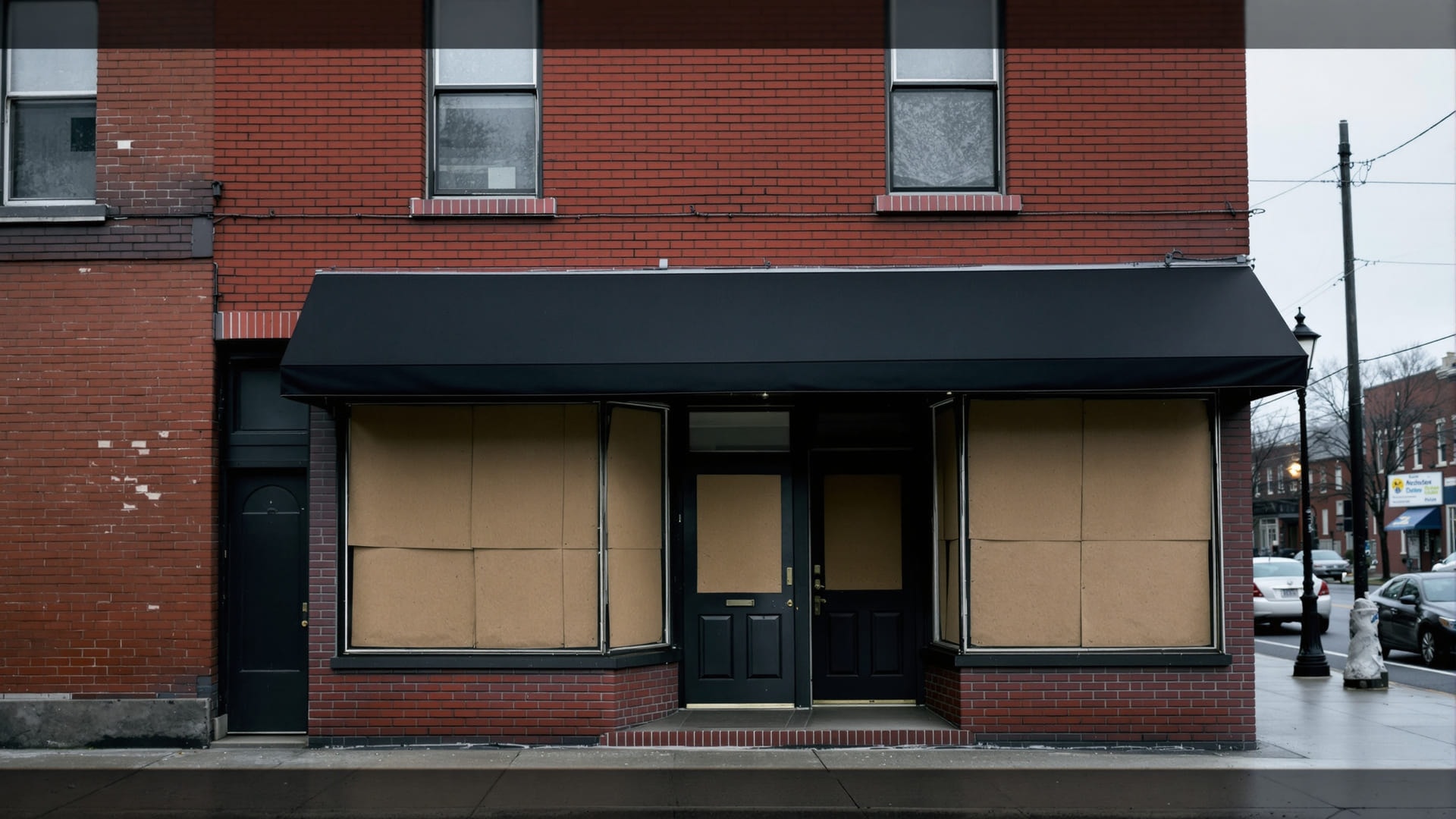
The joke in Centretown in early 2015 involved a fake menu taped inside the window of a Somerset Street West storefront, hiding a renovation in a space where a series of previous operators had come, set up tables and lost their shirts.
The posters — printed, Eade noted drily, on the sort of thing anyone can order for twenty dollars at a big stationery shop — advertised a restaurant called "Rare" offering dolphin fin soup, blue whale caviar, tiger and lion skewers, rhinoceros and sea turtle. A good deal of internet commentary followed.
Eade's own reaction is the most characteristic passage in the piece. Surely, he figured, nobody with the ability to dress himself would fall for it — if only because whales are mammals, which would make caviar a fairly neat trick. And who in the Western Hemisphere knowingly eats cats, however large and sinuous?
Who was behind it
The restaurateur was Thom McVeigh, who was having a good time at the expense of easily distracted commentators. He was, Eade reported, toying with a follow-up: a window banner announcing a ninety-storey condominium tower, which he expected would make some passers-by positively apoplectic.
McVeigh had been a municipal candidate in the most recent city election, was president of a Centretown community association, and had spent five years as general manager of a Wellington Street restaurant before leaving in November. He planned to open before the calendar turned to April, with an official start date of 27 March if the renovation gods cooperated.
What it actually was
The restaurant was to be called Share Freehouse — not Rare — with thirty-eight seats inside and room for seventeen more on a patio, serving varied sharing plates under chef Danny Mongeon.
Both chef and restaurateur assured Eade there would be not a single bug, cat, sea turtle or smear of whale caviar in sight. The window silliness was intended to provoke by teasing credulous readers with menu items that were the precise opposite of what the place was about.
McVeigh himself was a vegetarian, and expected multiple dishes to cater to carnivores as well as to those who, like him, avoid animal products to varying degrees.
"The concept is to share with larger platters," he told Eade during a look behind the papered panes, which required only a knock on the door. "That's how people usually eat at home — sharing and talking about the food, the textures, the flavours and how the pesto works with pasta. So we'll have a broad selection with one dish that's vegetarian, another that's vegan."
The building's history of failure
The best-observed detail in the piece is architectural. The restaurant occupied the ground floor of one of the modest red-brick, two-storey houses that dot the Centretown landscape. Close inspection of the black awning above the doorway betrayed a series of earlier attempts, each optimistic owner having simply painted over the previous name: first a restaurant, then a bistro that painted over it in 2007 before vanishing in 2011, then a wine bar that opened in the summer of 2012 and closed about three months before this piece was filed.
That layered awning is a neat physical summary of what the rest of the archive documents at length. The Ottawa restaurant market of these years consumed operators steadily, as the long interview on restaurant economics spells out with numbers, and as the ZenKitchen seizure and the Domus closure showed in individual cases.
A note on the marketing
The stunt worked because it exploited a real anxiety about provenance. Trade in the species named on the fake menu is restricted internationally, and the food supply in Canada is subject to labelling and traceability requirements enforced by the Canadian Food Inspection Agency — which is precisely why a menu advertising rhinoceros reads as either a joke or a scandal, and why some readers picked the second option.